What’s Fueling the Return of Buttons in Cars?
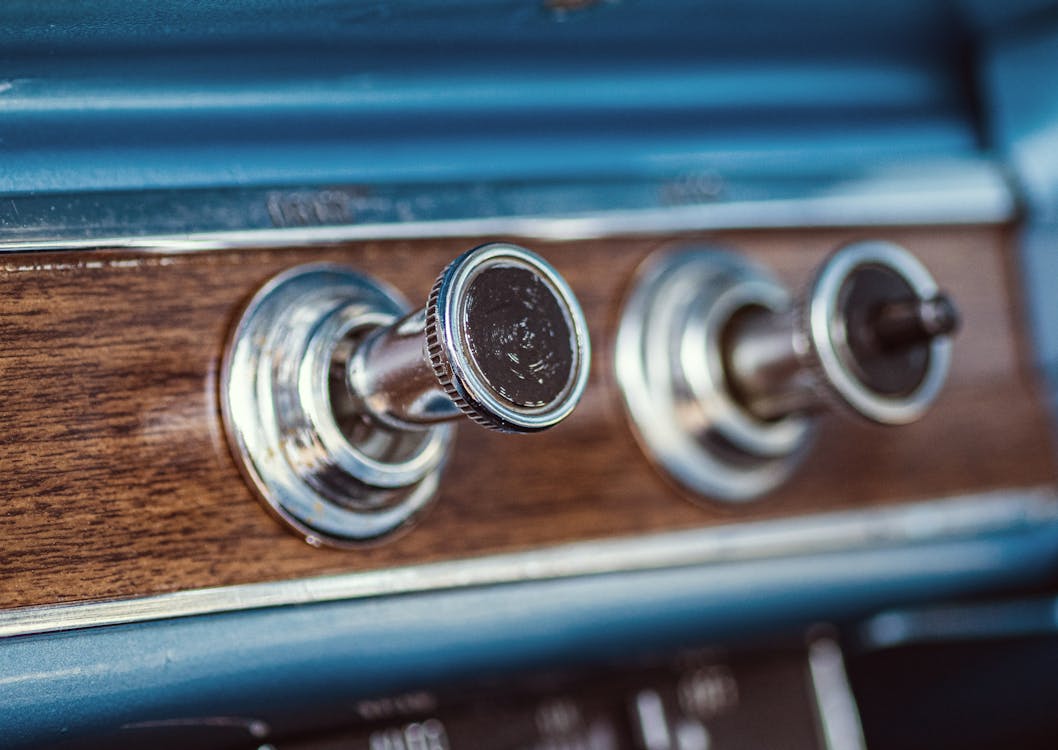
For the past years, car insides have been rapidly advancing toward streamlined, screen-dominated control board. Touchscreens changed conventional handles, sliders, and buttons in what lots of assumed was the unpreventable march of development. Yet, in an unexpected twist, physical switches are quietly making their way back right into modern automobiles. The shift signals more than simply a nostalgic nod-- it's an action to real-world feedback from vehicle drivers desire simpleness, safety and security, and tactile satisfaction.
The Digital Overload Dilemma
When touchscreens first began taking control of control panels, they seemed like the future: clean, customizable, and packed with features. They removed mess and allowed automakers to improve their insides with less physical parts. Yet as even more features were buried within electronic menus, chauffeurs began to voice worries.
Touchscreens frequently require multiple steps to carry out fundamental jobs like changing the environment or altering the radio station. Unlike switches, they lack the intuitive muscular tissue memory that allows a vehicle driver to alter a setup without taking their eyes off the roadway. With a lot taking place on-screen, it comes to be all too very easy to get distracted-- something no one wants when taking a trip at highway rates.
The Return of Tactile Functionality
Among the largest advantages of buttons is their tactile comments. You can feel them without requiring to look. This sensory reinforcement makes them not just practical however safer for motorists. When your hand intuitively understands where the volume handle is or exactly how far to press a button to turn on the defrost, it minimizes the requirement to glance down or far from the road. And while touchscreens offer ease for infotainment and navigating, the important everyday features-- like risk lights, audio controls, and HVAC-- really feel much better matched to physical controls.
As a matter of fact, many vehicle drivers who formerly swore by digital systems have actually expressed recognition for newer designs that mix modern aesthetics with the functional feeling of conventional controls. It's not regarding rejecting advancement-- it's concerning enhancing functionality.
A Balanced Design Philosophy
Designers have noticed this shifting sentiment. As opposed to abandoning screens, they're reconsidering how they're integrated. The most effective insides now strike a balance between digital flexibility and analog precision. That indicates purposefully positioning switches for essential functions while using digital user interfaces for applications, navigating, and media.
This hybrid strategy is specifically preferred in cars created for long-distance driving or households. The simplicity of pushing a button without stumbling through a menu makes a large distinction when you're attempting to stay focused, comfy, and risk-free. Even in cars known for cutting-edge tech, a straightforward rotating dial or tactile control can be the feature that gains motorists trying to find thoughtful style.
Buttons and the Emotional Connection
There's also something distinctly emotional about switches. They bring a specific level of interaction that touchscreens simply don't reproduce. Pressing a switch or turning a dial seems like you're physically connecting with your cars and truck-- it adds a layer of link that makes the driving experience much more enjoyable.
For those taking into consideration used Chevy cars, cars from current years usually offer the very best of both globes: responsive touch interfaces paired with traditional physical controls. These versions bridge the gap between development and knowledge, making them best website ideal for chauffeurs that value modern-day attributes without sacrificing ease of use.
Modern Technology Isn't Just About Screens
It's very easy to merge technology with screens, but true development indicates enhancing the vehicle driver experience. In this light, switches are a kind of clever layout. They're quickly, exact, and do not require interest. As vehicle style ends up being progressively driver-centric, comfort and intuition take center stage.
This also ties straight right into the resale and trade-in worth of cars. Cars and trucks that prioritize easy to use features tend to mature much better in the eyes of future purchasers. If you're considering a Chevrolet trade in, understanding that your current vehicle supplies a thoughtfully made interior, full with quickly accessible controls, can have a positive influence.
The Future Is Functional
As cars and truck producers re-evaluate the duty of interfaces in the cabin, they're led by chauffeur responses and real-world usability researches. The resurgence of switches does not signal a return to the past-- it's a progression in thoughtful, user-first design. It acknowledges that progression doesn't always indicate removing the old but integrating it in such a way that makes driving safer, simpler, and a lot more delightful.
If you're in the marketplace and exploring Chevy new car deals, keep an eye on exactly how different designs manage their interior controls. It's not just about the touchscreen size-- it's concerning just how the lorry aids you remain concentrated on the road while making your daily commute more intuitive. Buttons could not be the flashiest attribute, but they're rapidly becoming one of one of the most valued.
For more insights right into vehicle patterns, interior design technologies, and clever cars and truck buying tips, make certain to inspect back on a regular basis. We're always upgrading the blog with fresh ideas to assist you navigate the roadway ahead.